Explore Bradford & Beyond
Bradford is a city of extraordinary culture, heritage and creativity. Whether you're into art, science, steam trains, literature or live music — there's something here for everyone. Don't leave without exploring what makes this city so special.
What's On – Weekend of 11–12 July 2026
The closing weekend of Bradford's celebrated literature festival — 10 days, 500+ events spanning literature, poetry, music, theatre and debate. Across venues city-wide including University of Bradford.
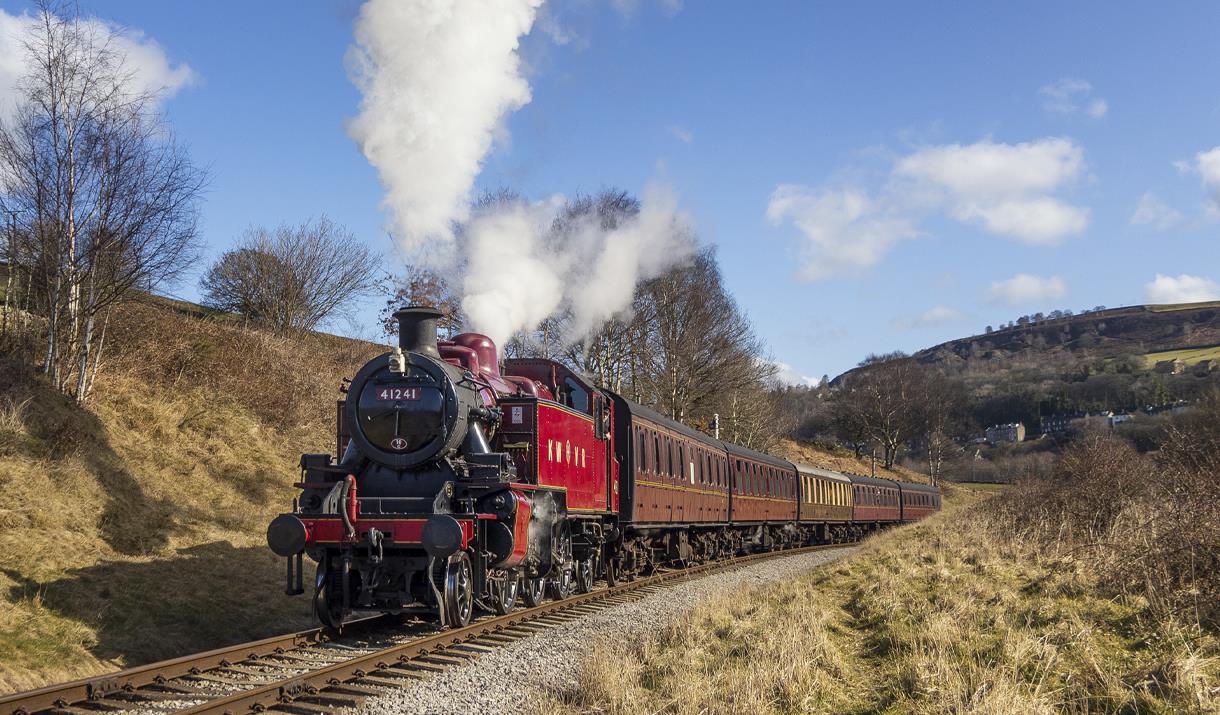
Full steam services running throughout July on this iconic heritage railway through Brontë country — Keighley to Oxenhope via Haworth. Book ahead; it's a popular weekend trip.

Bradford's flagship live entertainment venue at 1 Thornton Road, hosting major concerts and touring acts throughout the year. Check the box office for what's on the weekend of 11–12 July.

One of England's finest Victorian concert halls, seating over 1,500 and renowned for exceptional acoustics. A wonderful venue for an evening of music or comedy — check what's on for the weekend.

The glittering, high-energy musical spectacular comes to Bradford's magnificent Alhambra — the North's premier touring theatre, seating 1,400 in a stunning Edwardian auditorium. Priscilla Queen of the Desert follows three friends crossing Australia in a fabulous bus, packed with outrageous costumes, dazzling dance routines and a soundtrack that will have you on your feet. Running until Saturday 12 July — the final performance falls on the last day of the conference weekend, making it the perfect night out to round off CAGS 2026.

A major exhibition at the National Science and Media Museum exploring seven decades of the world's most spectacular live television event. From flickering black-and-white broadcasts of the 1950s to the jaw-dropping LED spectacles of today, Setting the Stage charts how Eurovision has consistently pushed the boundaries of broadcast technology, staging and lighting. Step into the interactive performance area, vote on your favourite entries and take to a recreated Eurovision stage — free entry all year.
Museums & Galleries

National Science and Media Museum
Pictureville, Bradford BD1 1NQ
Explore the science of light, sound and screen — from the history of photography to cutting-edge interactive galleries. Home to Wonderlab and the magnificent Pictureville Cinema.
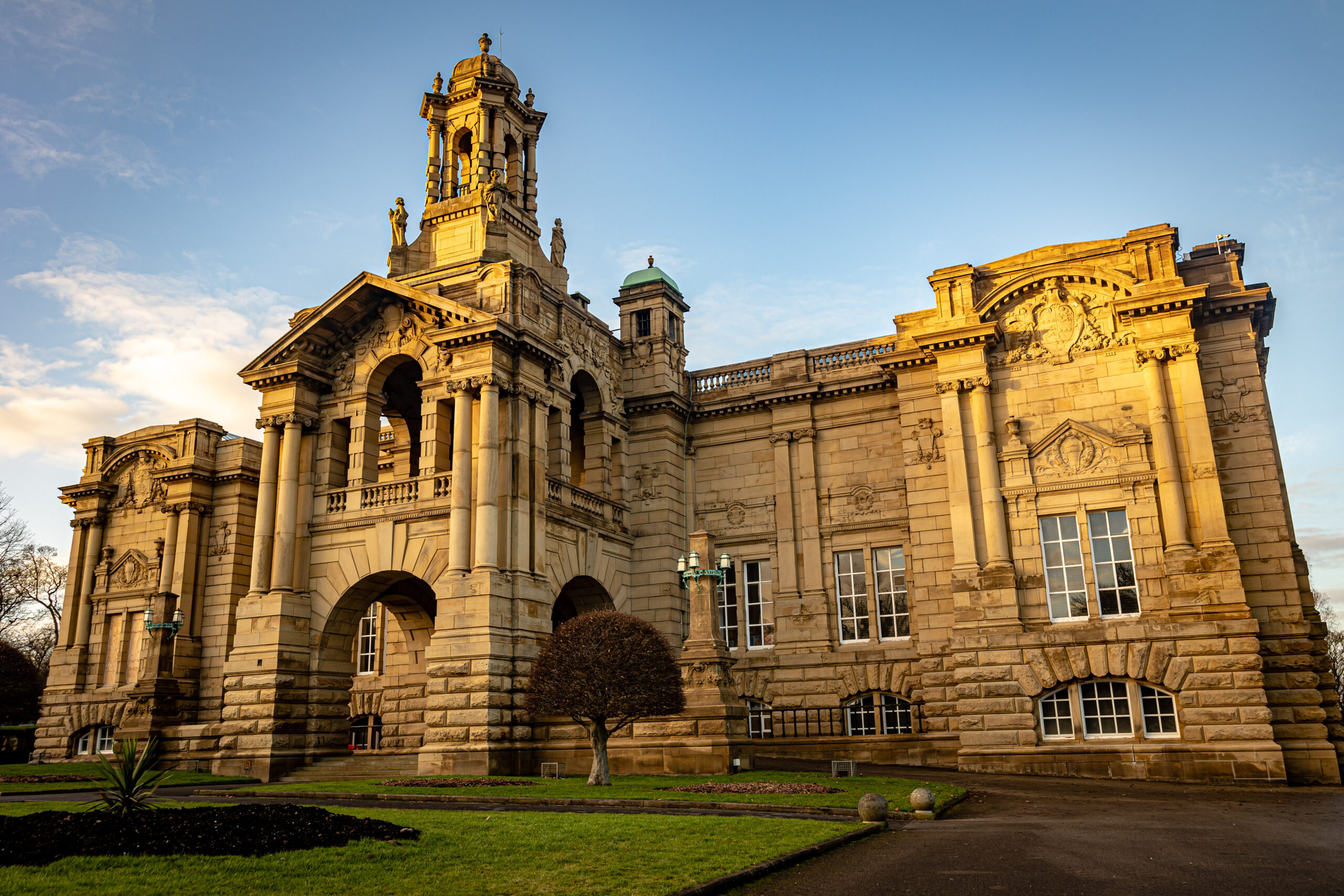
Cartwright Hall Art Gallery
Lister Park, Bradford BD9 4NS
A stunning Edwardian baroque gallery set in beautiful Lister Park, home to over 400 works by Bradford's own David Hockney alongside international collections. Currently hosting new works by artist Jim Moir (Vic Reeves).
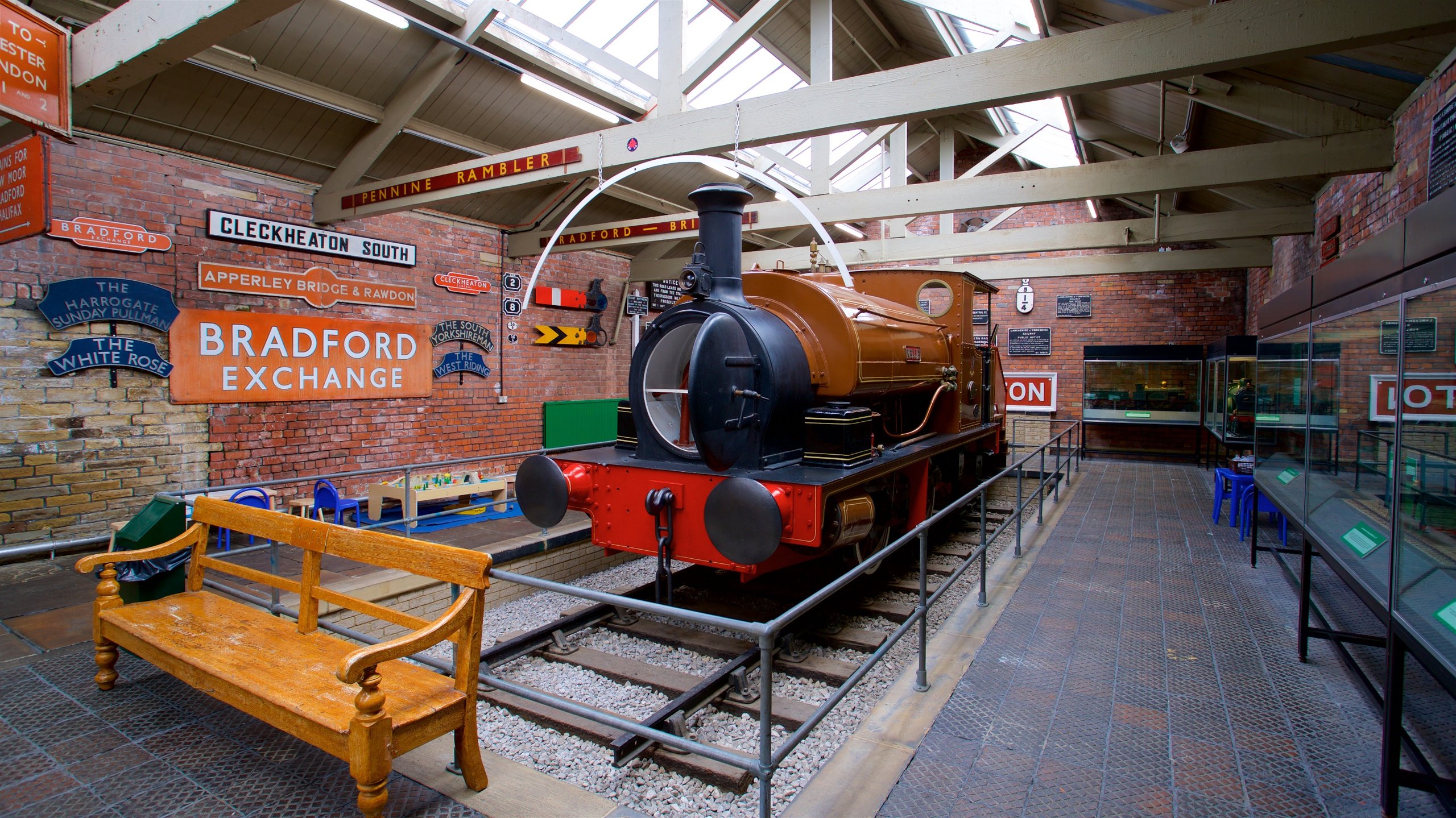
Bradford Industrial Museum
Moorside Road, Bradford BD2 3HP
Housed in a former worsted spinning mill, this museum tells the story of Bradford's industrial heritage — textile machinery, steam engines, printing presses and working horses. A fascinating window into the city's past.
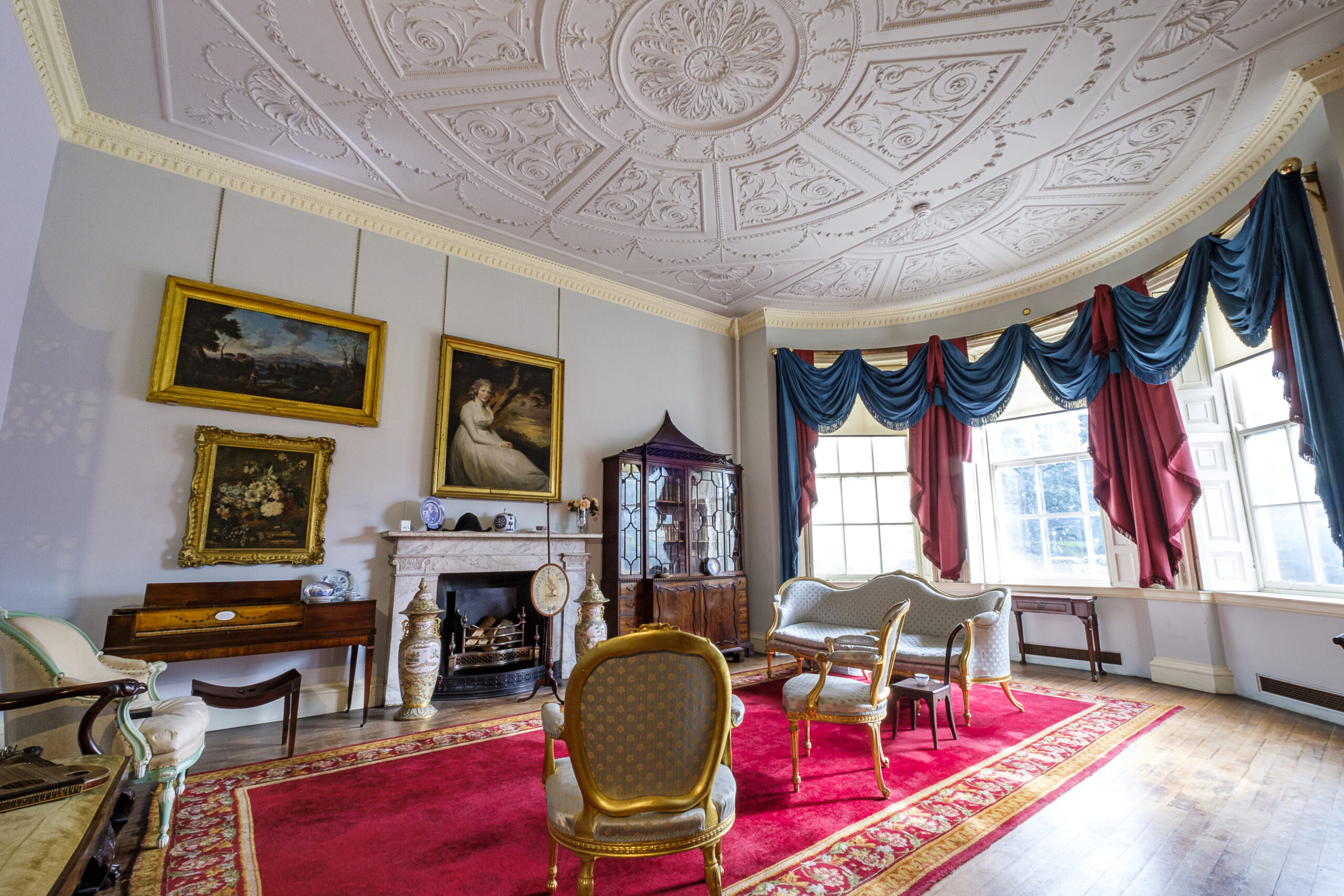
Bolling Hall Museum
Bowling Hall Road, Bradford BD4 7LP
A historic manor house just a mile from the city centre — one of Bradford's oldest buildings. Explore five centuries of family life across beautifully preserved rooms, with ghost walks and events throughout the year.
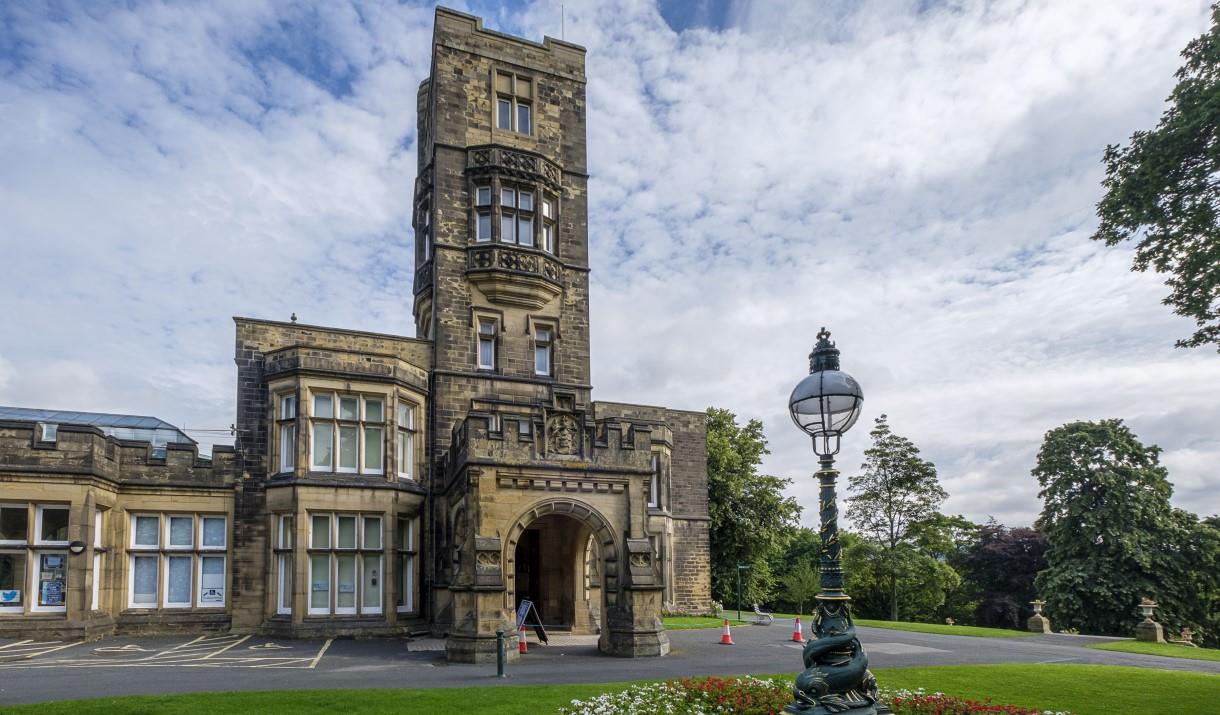
Cliffe Castle Museum
Spring Gardens Lane, Keighley BD20 6LH
A spectacular Victorian mansion built for a wealthy mill owner, now home to natural history, archaeology, social history and stunning stained glass by Morris & Co. Set in lovely parkland in Keighley.
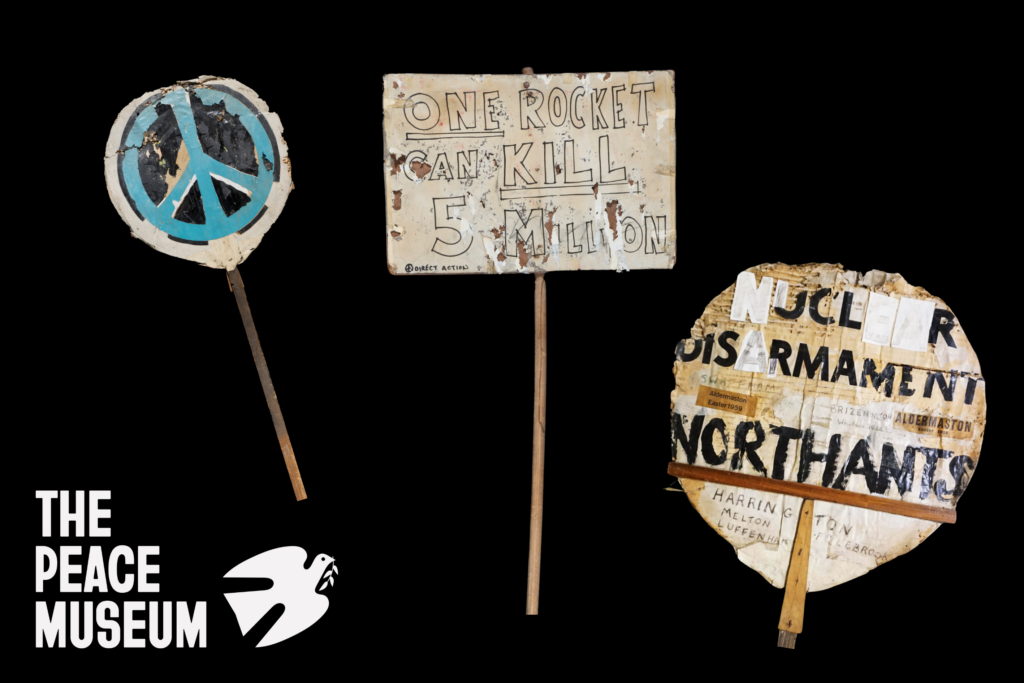
The Peace Museum
Salts Mill, Saltaire BD18 3LA
The only museum in the UK dedicated entirely to the history of peace, peacemakers and the peace movement. Now housed in the magnificent Salts Mill at Saltaire — a thought-provoking and inspiring visit.
Heritage & Outdoor
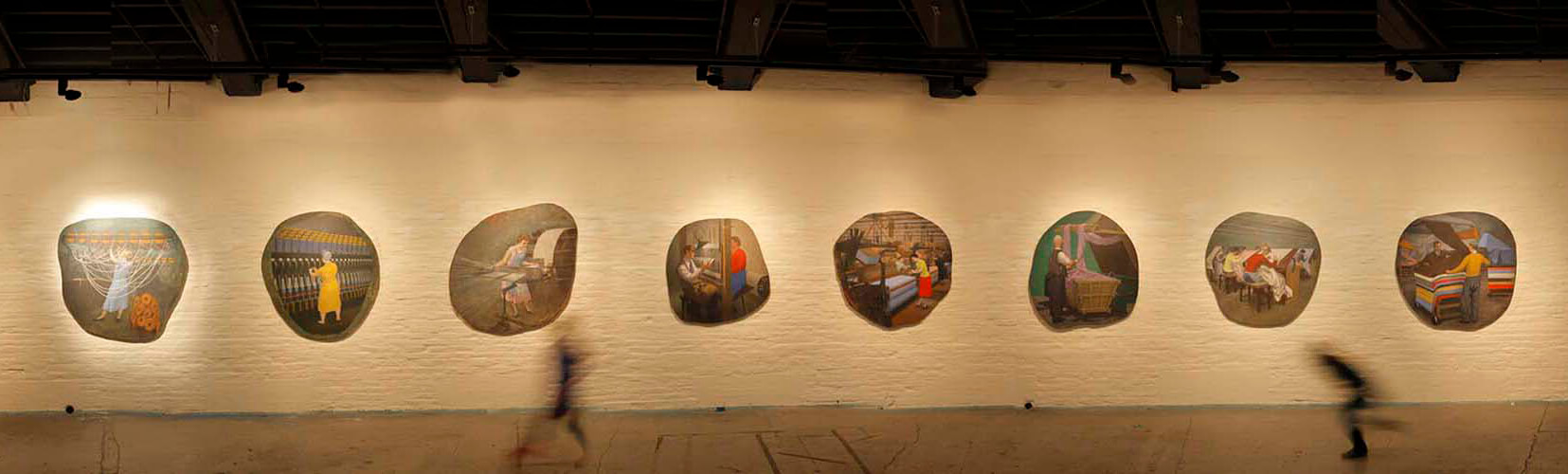
Salts Mill & Saltaire
Victoria Road, Saltaire, Shipley BD18 3HU
Titus Salt's magnificent Victorian mill village, just a short train ride from Bradford, and a UNESCO World Heritage Site. The vast mill building houses three floors of David Hockney galleries alongside independent shops, a bookshop and a superb restaurant. Saltaire village beyond is a perfectly preserved model settlement — planned streets, a grand Congregational church and workers' cottages all intact. Combine it with a visit to the Peace Museum housed within the mill.
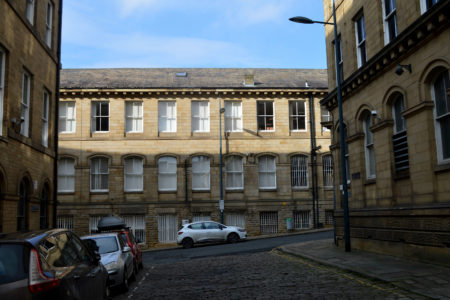
Little Germany
City Centre, Bradford
One of the finest Victorian commercial quarters in England — 85 buildings constructed between 1855 and 1890 by German and other European textile merchants, 55 of them listed. The streets are lined with magnificent neoclassical and baroque warehouses, many now converted to offices and apartments yet retaining their extraordinary grandeur. Just a short walk from the Bradford Arts Centre, it makes a perfect evening stroll and a reminder of the city's remarkable trading heritage.

City Park & Mirror Pool
City Square, Bradford City Centre
Right in the heart of Bradford, City Park is home to Europe's largest city centre mirror pool — 4,000 square metres of reflective water animated by over 100 fountains and jets. A bold and beautiful public space, it hosts outdoor events, markets and live performances throughout the summer. Free to enter, flanked by bars, restaurants and a cinema, it is the social heart of the city and the perfect spot for a post-conference evening stroll.

Bradford Cathedral
Church Bank, Bradford BD1 4EH
Bradford's oldest building and its spiritual heart, with origins stretching back over 900 years — elevated to cathedral status in 1919. Renowned for its exceptional stained glass, including some of the finest early work by William Morris & Co, alongside striking 20th-century additions. The cathedral hosts a rich, year-round programme of art, music, events and exhibitions, making it far more than a place of worship. Free entry, always open, and just minutes from the conference venue.
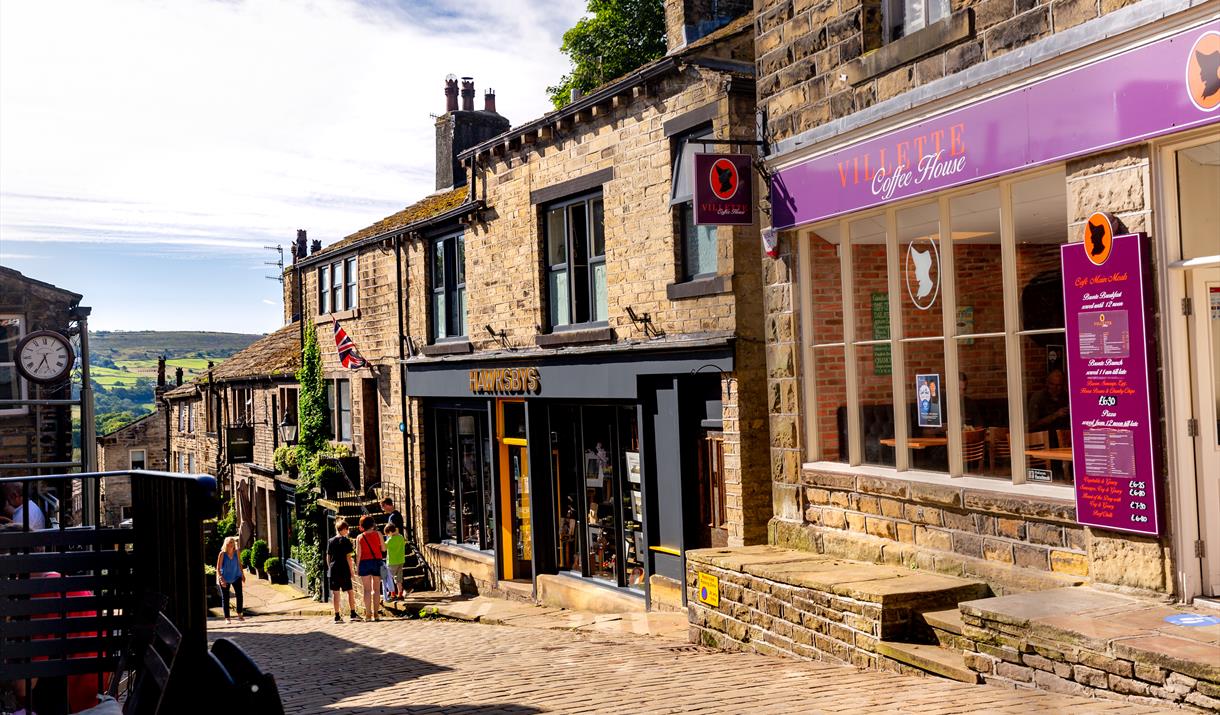
Haworth – Brontë Country
Church St, Haworth, Keighley BD22 8DR
The cobbled village where Charlotte, Emily and Anne Brontë wrote their immortal novels, perched on the edge of the wild Pennine moors. The Brontë Parsonage Museum — their family home for 30 years — houses a remarkable collection of manuscripts and personal effects. Beyond the parsonage, explore the steep streets, independent shops and tea rooms, or walk up onto the moor to Top Withens with its sweeping views. Best reached by the Keighley & Worth Valley Railway.
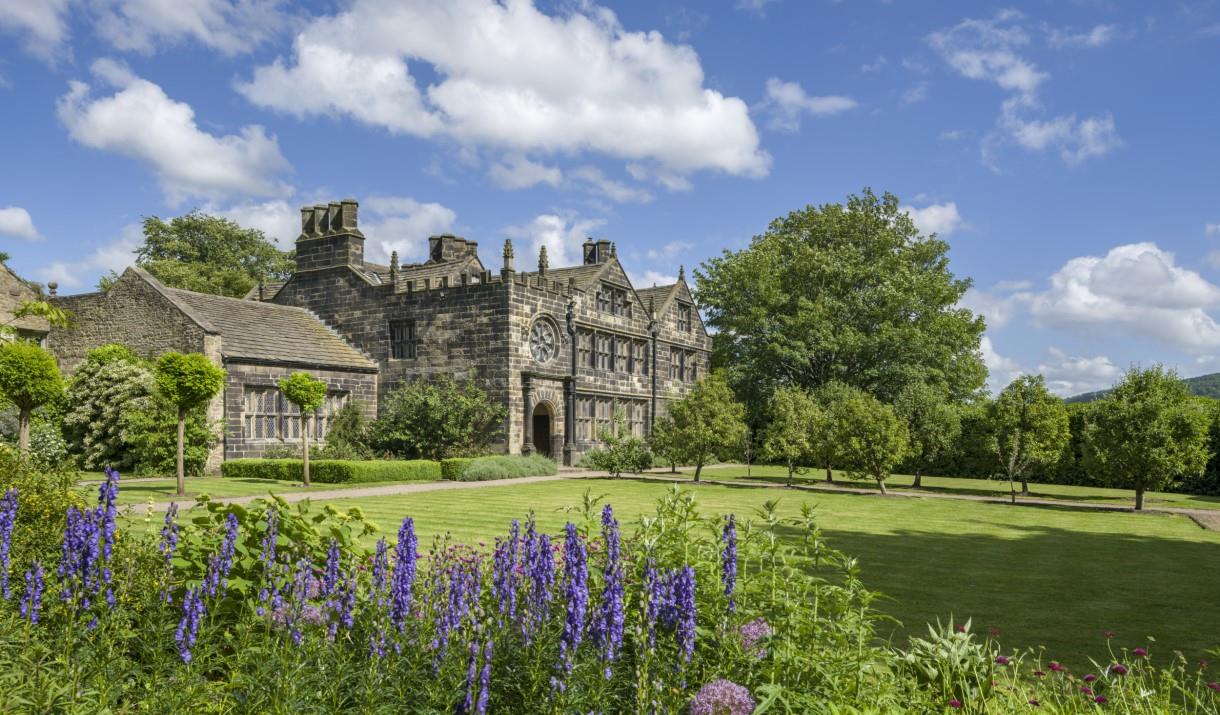
East Riddlesden Hall
Riddlesden, Keighley BD20 5EL
A beautifully preserved 17th-century manor house on the banks of the River Aire, rescued from demolition in the 1930s and now cared for by the National Trust. One of the finest examples of early Yorkshire vernacular architecture, the hall dates to the 1640s and retains walled gardens, a Great Barn and a welcoming tearoom. The estate featured as a filming location for the 1992 adaptation of Wuthering Heights. A rewarding half-day out, particularly beautiful in summer.